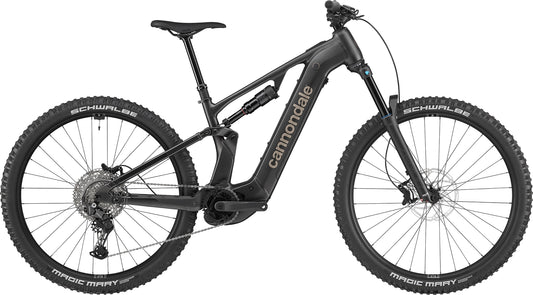
If you’ve been to a trailhead lately, you’ve heard it: the subtle hum of an electric motor passing you on the climb. The rise of the e-MTB (Electric Mountain Bike) has completely shifted the landscape of our sport.
But the big question remains: Is an e-MTB "cheating," or is it simply a tool to help you have more fun? More importantly, is it worth the investment for you? Let’s put the pedal to the metal and compare the acoustic mountain bike against its high-voltage sibling.
The Traditional MTB: The Purist’s Machine
There is something timeless about a mountain bike powered purely by lungs and legs. For many, the challenge of the climb is just as rewarding as the thrill of the descent.
The Pros:
- The "Natural" Feel: Without a motor and battery, traditional bikes are significantly lighter (often 15–25 lbs lighter). This makes them easier to "flick," hop, and maneuver through tight, technical sections.
- Zero Range Anxiety: Your only "battery" is your fitness. You never have to worry about a screen dying or being stranded with a 50lb bike and no power.
- Price & Longevity: Dollar-for-dollar, you get much higher-end components on a traditional bike. Plus, there are no electronics to go obsolete or software to update.
The Cons:
- Laps-per-Hour: On a traditional bike, the climb takes time and energy. If you only have one hour after work, you might only get one lap in.
- The Barrier to Entry: If you haven't been riding lately, big climbs can be a punishing deterrent that keeps the bike in the garage.
The e-MTB: The "Uphill Flow" Generator
An e-MTB uses a mid-drive motor to amplify your pedaling power. It doesn't have a throttle; it just makes you feel like you have the legs of an Olympic athlete.
The Pros:
- More Laps, Less Time: The math is simple. If you can climb twice as fast, you get twice the descents. It turns a boring fire-road climb into a fun, high-speed "uphill flow" session.
- Leveling the Playing Field: e-MTBs allow riders of different fitness levels to ride together. Now, the whole family or the whole crew can stay together regardless of who’s been training.
- The "Commute-to-Trail" Factor: With a motor, you might find yourself riding to the trailhead from your house instead of loading up the car, saving gas and time.
The Cons:
- The Weight Tax: Most full-power e-MTBs weigh between 45 and 55 lbs. You’ll feel that weight in corners and when trying to lift the bike over logs (or onto your car rack).
- Higher Entry Price: You are paying for a sophisticated motor and a high-capacity lithium battery, which usually adds $2,000+ to the price tag of a similar acoustic bike.
Which One Is Right For You?
Stick with a Traditional MTB if: You value lightweight handling, you enjoy the physical "struggle" of the climb, or you’re on a stricter budget and want the best components possible.
Go Electric if: You have limited time to ride and want to maximize descents, you’re recovering from an injury, or you simply want to explore further and steeper than your legs have ever taken you before.
The Final Charge
At the end of the day, an e-bike isn't a replacement for a mountain bike—it's a different way to experience the trail. Many of our customers find that they eventually want both in their garage!
Ready to feel the boost? Come in for a test ride or explore our latest Electric Mountain Bike Collection and see how far the technology has come.