


Bicycle Brakes
The common bicycle brake system consists of three main components:
- A mechanism for applying rider force into the system. Typically brake levers or pedals.
- A mechanism for transmitting that force including cables and hydraulic hoses.
- A breaking mechanism such as a caliper.
The rider applies the brakes, for example by pulling the brake lever. Then the force is transmitted through the system, for example via steel brake cables that connect the brake lever to the caliper. Ultimately the force is transmitted into the caliper where the caliper clamps the brake pads onto the braking surface. The two most common types of brakes are rim and disc brakes.
 |
 |
Rim vs. Disc Brakes
The two most common types of braking systems found on bicycles today are rim brakes and disc brakes. Both effective, yet certain types of riding styles and environments can dictate which style of brake is better suited for the task. Rim brakes have certain advantages over disc brakes including lighter weight, improved heat dissipation, and lower stress on the bicycle frame, fork, and wheels. Disc brakes have advantages as well including being waterproof (working while wet) and being unaffected by rim dents or an out of true wheel. Disc brakes have a smaller area to work with and therefore dissipate heat less effectively, however many disc brake systems are designed to run hot. Both styles of brakes are operated by left and right hand levers, and can be found on both road and mountain style bicycles.
In addition to the rim and disc systems, another common type of brake is the classic "coaster brake"; found on kids bikes and beach cruisers. This brake system is located near the rear hub; the coaster brake locks up the freewheel when the rider applies backwards force on the pedals, causing the bike to stop. All three systems are effective means of stopping your bicycle when it counts, however choose a bicycle with proper brakes to fit your riding style and goals.
Bedding in Your New Brakes
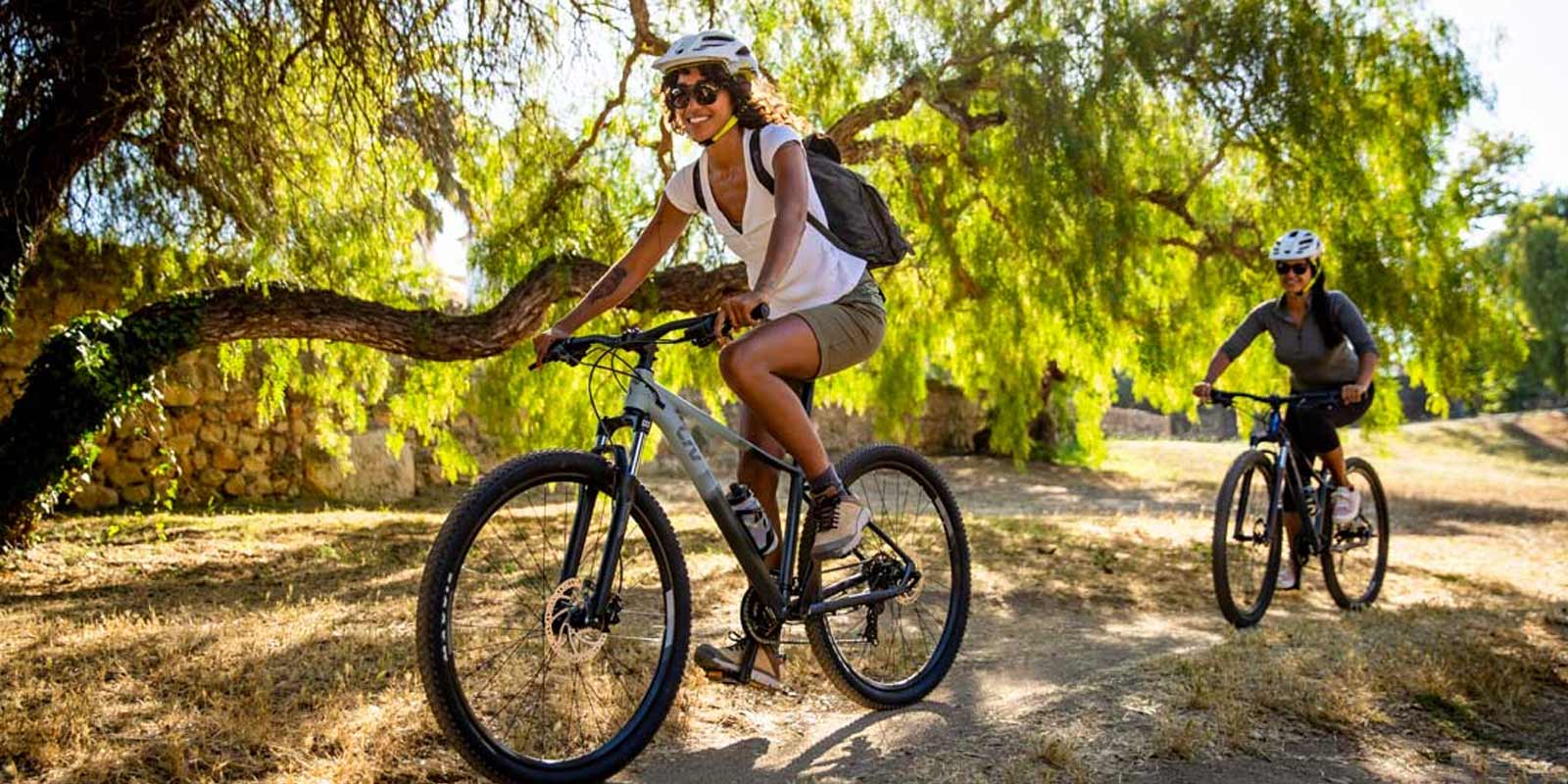
Before you take your new bicycle out for it's maiden voyage you must first bed in the brakes. It is crucial to properly bed in your breaks on a new bicycle, this creates the proper contact area between brake pads and rotors, and provides the safest stopping power possible. Find a safe place to perform the bed in process on your new bicycle. To perform the brake bedding find a safe place to ride your bicycle for example a empty parking lot or a long driveway. You want to be away from traffic and on a smooth flat surface that's easy to ride on. Mount your bike and pedal to build up speed, as you build speed apply equal pressure to both your rear and front brake so you smoothly come to a stop. As you come to a stop release the pressure on both brakes and begin rolling again. Repeat this step at least ten times to allow the proper amount of braking material to transfer between the braking pad and rotor. This heats the system up, then cools the system, to allow the materials to transfer effectively and create the most efficient brakes possible.
With your brake system, especially rotors, keep the break area clean of dirt and debris. This includes solvents and cleaners as well as dirt that can cause issues with the braking surface of the rotors and pads. In addition be mindful of brake rotors when loading your bicycle in our out of racks, as well as when removing the wheels. If either of your wheels are removed from the bicycle be sure not to pull the brake lever without a block inside the brake caliper. If the rotor is not present the brake pads will press against each other and can become stuck.

Which Brake, Which Side
Generally bicycles feature the front brake controlled by lever on the left hand side of the handlebar and the rear brake by the right hand lever. Proper braking technique, especially when new to cycling is applying the rear brake, followed by the front brake. Similarly when releasing the brakes release the front brake first, followed by the rear. By activating the front brake while the rear is engaged it will make it less likely to have your weight thrown forward, and possibly go over your handlebars. A great mental focus for beginners who are worried about going over the bars is to keep your weight back when braking, apply equal force to both brakes, then release the front first, followed by the rear. Practice makes perfect!
Advanced Braking Techniques
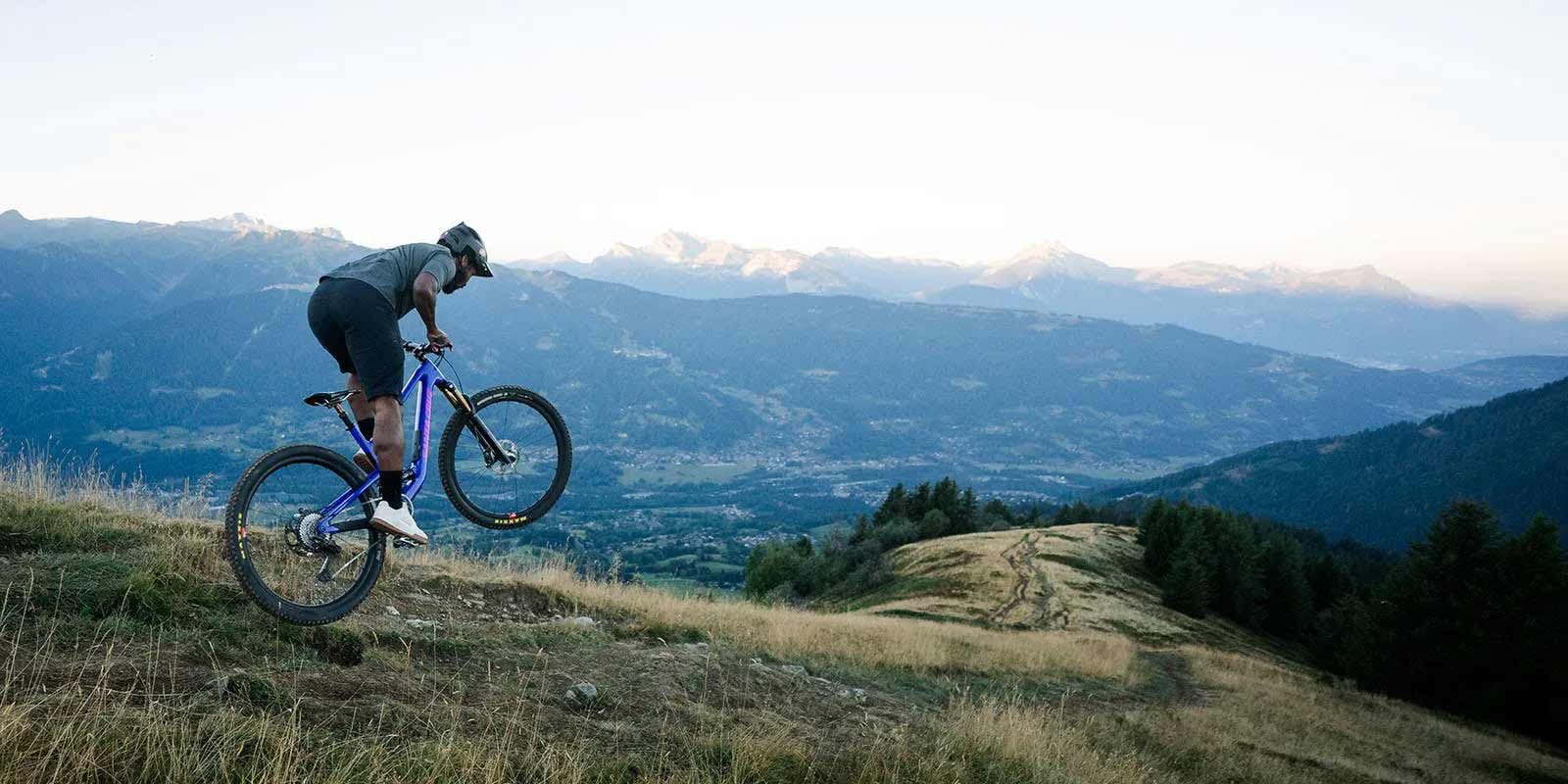
Experienced cyclists will begin to develop advanced braking techniques, especially for fast riders. The front brake is ultimately the most effective stopping power, while the rear brake is ideally for regulating speed, rough terrain, and bad traction conditions. As your skills on a bicycle grow, and your understanding of body positioning improves you will tailor your braking accordingly to provide maximum stopping power, allowing top speed.
For more informative articles on cycling, the hottest gear, and skills tips check out some of our other BLOGs at the links below!
- The Best Strategy to Buying a New Mountain Bike!
- How to Choose The Best Bike Pedals
- Home Mechanic Essentials BLOG
- Shifting 101 - A How To Guide on Shifting Bike Gears
- The Best Mountain Bike Multi Tool - The Ultimate Trail Companion Mountain
- Biking Trail Essentials - The Best Accessories for Your Ride


